


Household appliances make everyday life easier, from preserving food and washing clothes to preparing meals and cleaning dishes. When an appliance stops working properly, even a small fault can disrupt your routine.
Hotshot helps customers explore appliance repair services through a convenient marketplace. Whether you need assistance with a refrigerator, washing machine, dryer, dishwasher, or oven, you can describe the problem and explore available service providers who may be able to help.
Finding an appropriate repair professional begins with understanding the symptoms, identifying the appliance, and communicating your requirements clearly.
Different appliances have different operating systems, components, and repair requirements. A technician may need to inspect the appliance before determining the cause of a problem and recommending a suitable solution.
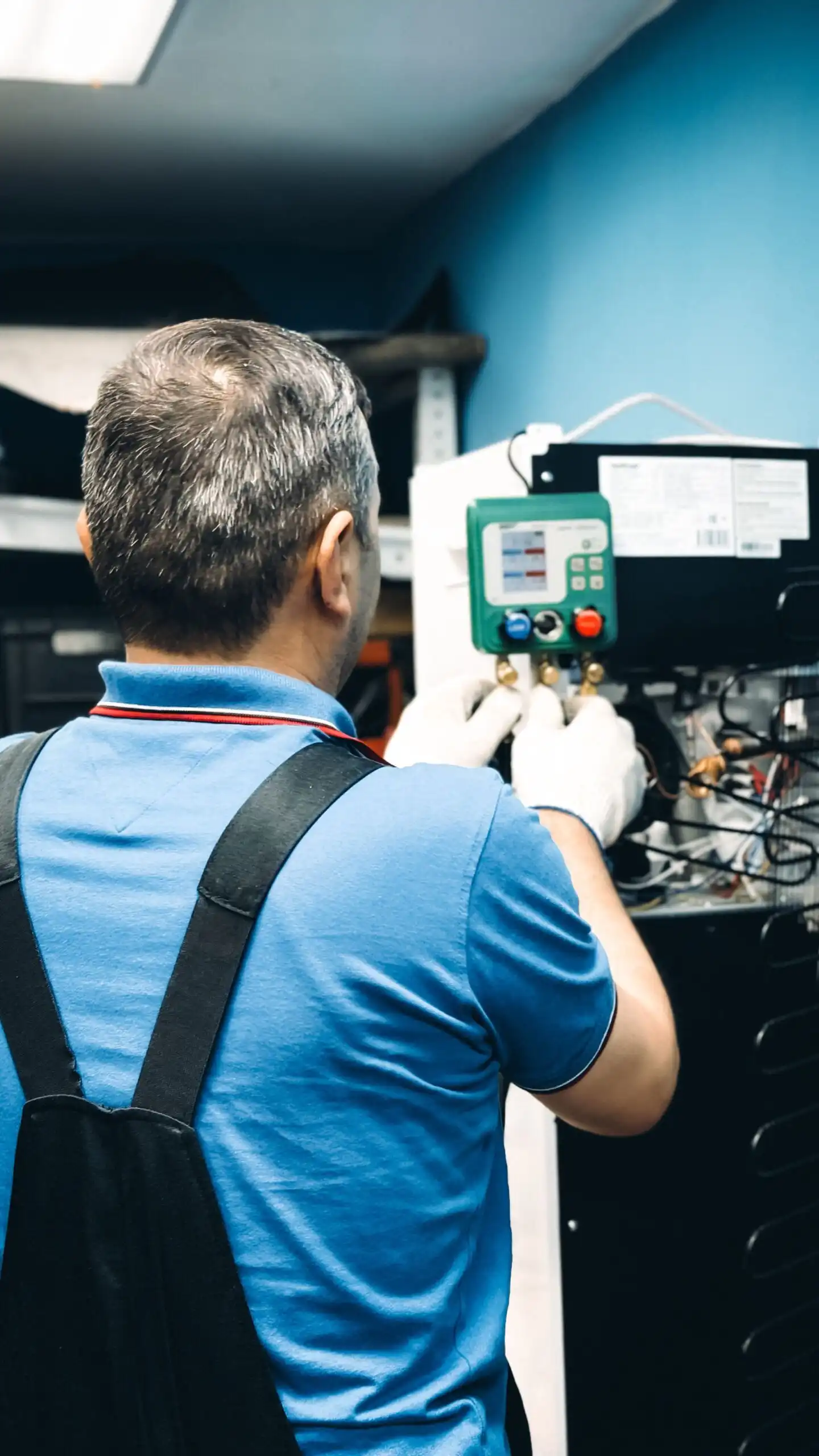
A refrigerator helps keep food fresh and maintain appropriate storage temperatures. Problems such as inadequate cooling, unusual noises, water leaks, or excessive frost may indicate that the appliance needs professional attention.
Depending on the fault, a qualified technician may inspect cooling components, door seals, drainage systems, fans, or other parts.
When requesting refrigerator repair, describe the symptoms, appliance brand, model number, and approximate age if known. Explain whether the refrigerator has stopped cooling completely or is experiencing an intermittent issue.
If food safety may be affected, follow appropriate food-storage guidance rather than assuming the appliance will recover on its own.
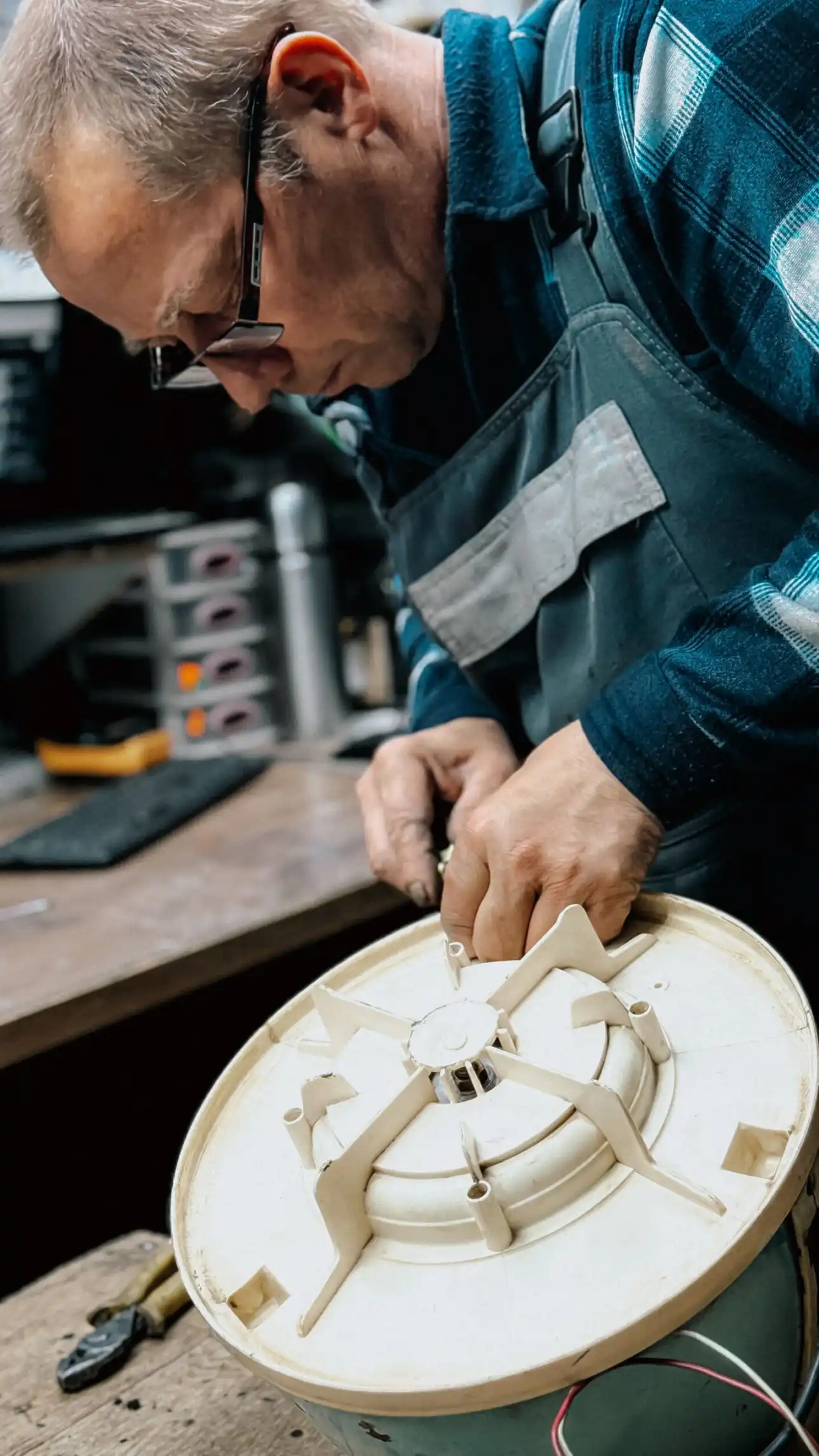
A malfunctioning washing machine can make laundry difficult to manage. Common symptoms include failure to drain, unusual vibration, water leakage, difficulty starting, or interrupted wash cycles.
Repair requirements depend on the appliance model and the underlying cause. A technician may need to inspect hoses, drainage components, door mechanisms, controls, or other parts.
Before arranging service, note any error codes displayed by the machine. Avoid opening electrical components or attempting repairs that could expose you to water or electrical hazards.
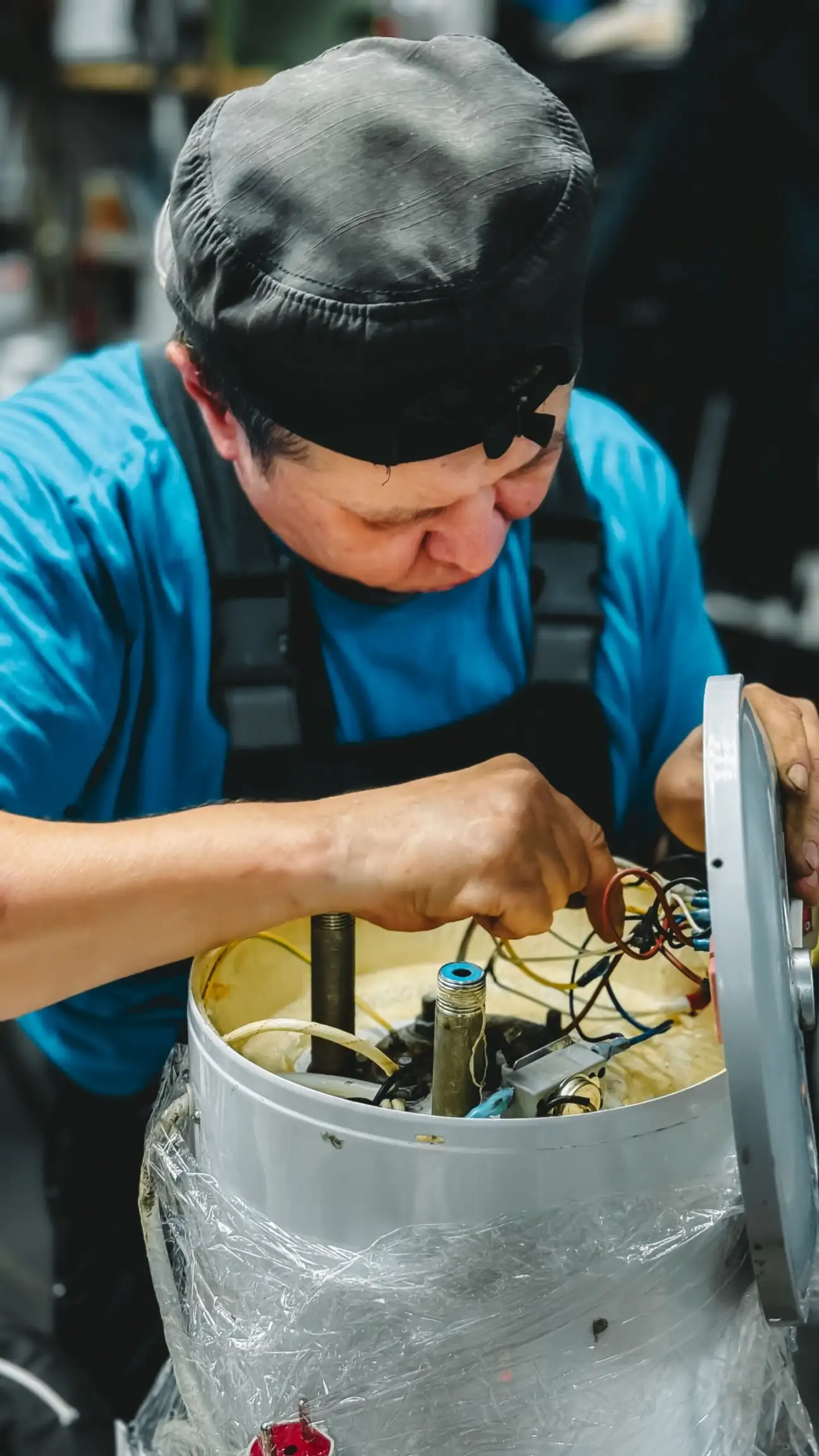
Dryers help households manage laundry efficiently, but faults can affect performance and safety.
Possible warning signs include clothes remaining damp, unusual noises, interrupted cycles, or the appliance failing to start.
Dryer problems may involve airflow restrictions, heating components, controls, or other mechanical or electrical parts. A qualified technician can assess the problem and advise on appropriate repairs.
If you notice a burning smell or signs of overheating, stop using the appliance and seek qualified assistance. Lint buildup and restricted airflow can create fire risks.
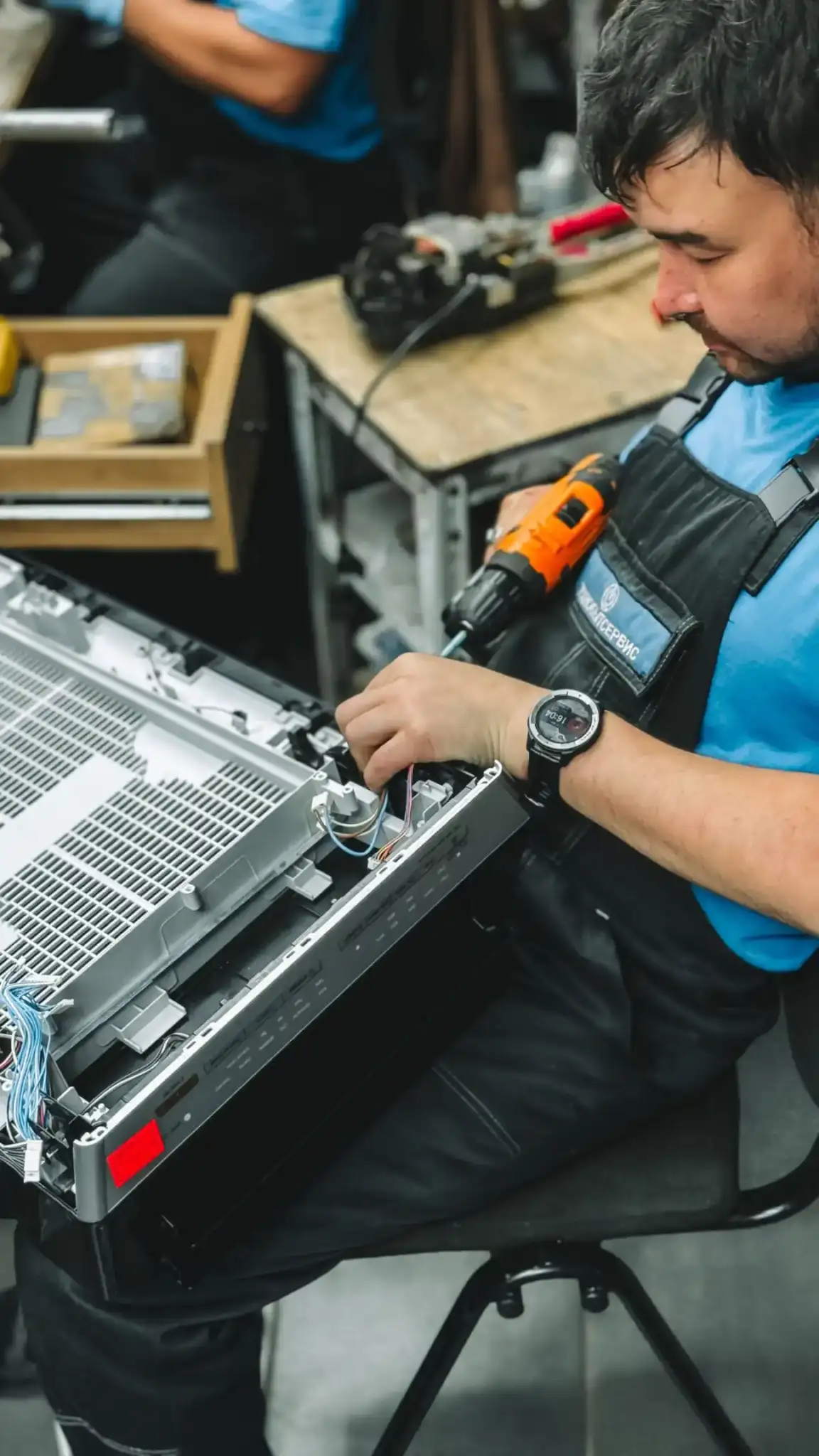
Dishwashers simplify kitchen cleanup, but problems such as poor cleaning performance, standing water, leaks, or unusual noises can interfere with normal operation.
Depending on the appliance and symptoms, a technician may inspect filters, drainage components, spray systems, water connections, or electronic controls.
When requesting service, explain when the problem occurs and whether the dishwasher displays an error code. Clear information can help the technician prepare for the visit.
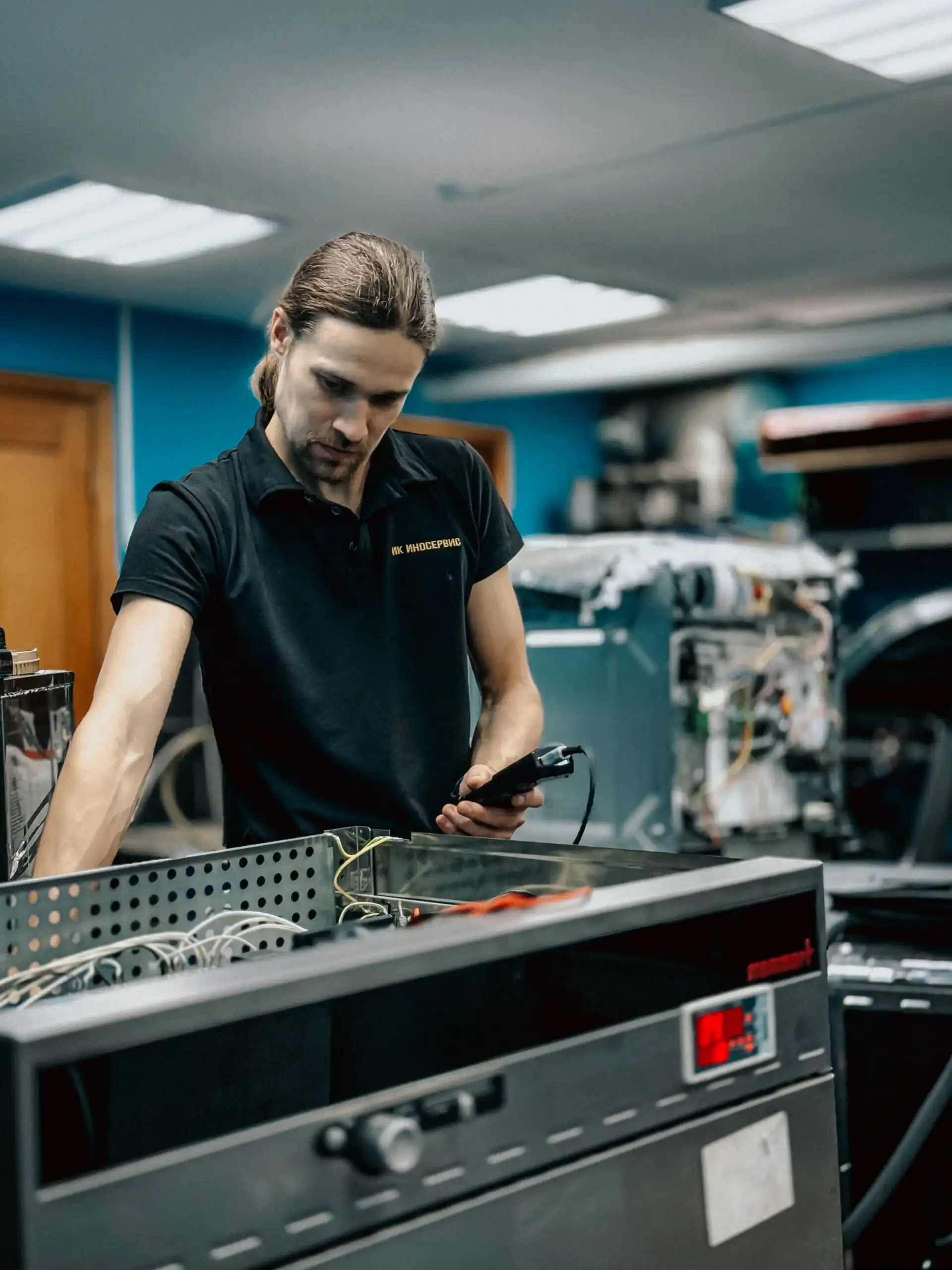
Ovens are important for everyday cooking, and faults can affect temperature control, heating performance, or safe operation.
Depending on the appliance type, a qualified technician may assess heating components, controls, sensors, or other parts.
Gas appliances require particular care. If you suspect a gas leak, leave the affected area and contact the appropriate emergency service or gas utility. Do not attempt to investigate or repair the problem yourself.
When requesting oven repair, provide the brand, model, fuel type, and symptoms where known.
Choosing an appliance repair service requires understanding the technician’s experience, the type of appliance they support, and the expected cost of the repair.
Hotshot helps customers discover available service providers and explore options for household maintenance and repair.
Explain what is happening, when the issue started, and whether the appliance displays an error code or warning light.
Providing the brand and model number can also help identify whether the technician works with your appliance type.
Appliance designs vary by manufacturer and model. Look for a technician whose service offering matches the appliance and repair requirements.
For gas appliances or work involving specialized electrical components, verify any qualifications required in your location.
The final cost may depend on diagnostic fees, labor, replacement parts, appliance accessibility, and the nature of the fault.
Ask whether the estimate includes diagnosis, parts, labor, and follow-up work. For older appliances, compare the expected repair cost with the cost and practical benefits of replacement.
Some technicians specialize in particular appliance brands or types. Confirm the provider's coverage, availability, and ability to service your model before arranging a visit.
Getting started with appliance repair request can be straightforward.
Select the refrigerator, washing machine, dryer, dishwasher, oven, or other appliance requiring attention.
Explain what the appliance is doing, when the issue occurs, and any visible warning signs.
Provide the brand and model number when available.
Review relevant service options and provider information through Hotshot.
Discuss diagnostic fees, estimates, parts, scheduling, and any applicable warranty terms before proceeding.
The actual booking process depends on the service providers and platform features available.
Customers across the United States and Canada use a wide range of appliance brands, models, and configurations. Service requirements may vary depending on the appliance’s age, parts availability, installation, and local service coverage.
Before choosing a repair professional, confirm that they can work on your specific appliance and are appropriately qualified for the task.
For appliances under warranty, check the manufacturer’s terms before arranging third-party repairs, as unauthorized work may affect coverage.
Customers should also consider the cost and availability of replacement parts when deciding whether repair is practical.

Depending on provider availability, you can explore repair services for washing machines, dryers, refrigerators, dishwashers, ovens, and other supported appliances.
Costs depend on the appliance, fault, diagnostic requirements, labor, replacement parts, and location. Request an estimate before authorizing repairs.
Consider the repair estimate, appliance age, energy efficiency, availability of parts, and likely remaining useful life. A qualified technician may help explain the repair options.
Not every technician services every brand or model. Confirm that the provider can work on your particular appliance before arranging service.
Share the appliance type, brand, model number, symptoms, error codes, and approximate age if known.
Coverage depends on the appliance, warranty terms, fault, and service provider. Check the warranty before authorizing third-party repairs.
Stop using the appliance and seek qualified assistance. If there is smoke, fire, or immediate danger, move away and contact emergency services.
A faulty appliance can disrupt your household routine, but choosing the right professional starts with clear information and a suitable service option.
Hotshot helps customers explore available providers for common household appliance repairs.
Describe your appliance and its symptoms, review relevant options, and confirm the repair details with a suitable professional.
Explore Appliance Repair Services on Hotshot to find available help for your household appliances.
Book trusted home services, handymen, cleaners, plumbers and freelancers instantly with Hotshot, the all-in-one services marketplace.